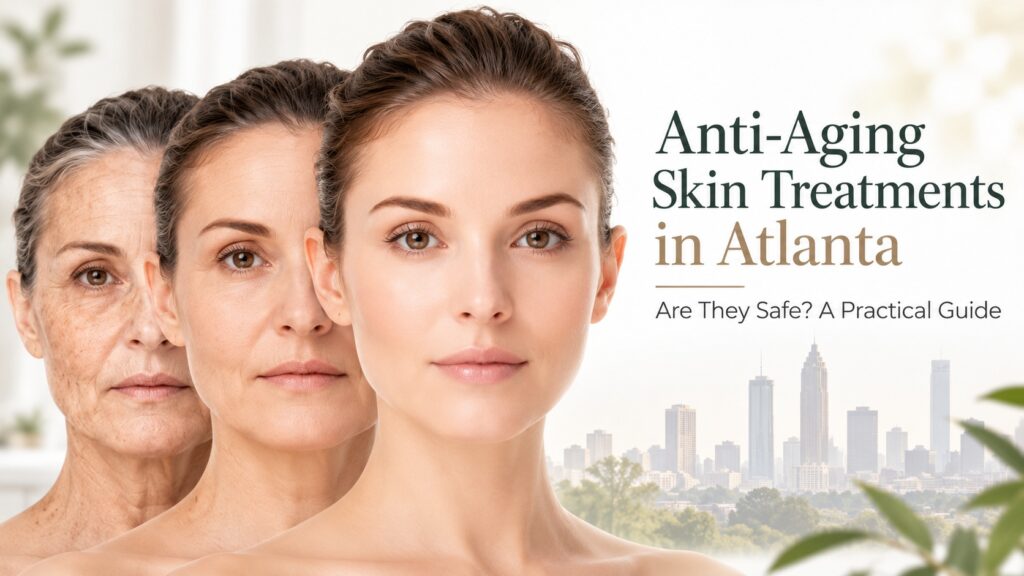
Aging is natural, but changes in skin texture, elasticity, moisture and tone can still affect how you feel about your appearance. The good news is that anti-aging care does not have to mean chasing dramatic procedures or unrealistic promises.
For patients comparing antiaging skin treatments in Atlanta, safety depends on the specific treatment, your skin type, medical history, medications, goals and the experience of the provider. The right plan should be individualized and should make room for both skin health and your broader wellness.
What counts as non-surgical anti-aging care?
Non-surgical anti-aging care can include professional skin treatments, physician-guided therapies, targeted skincare, nutrition, lifestyle changes and evaluation of medically relevant factors such as metabolic or hormonal health.
Not every patient needs the same combination. Some may primarily want to improve skin appearance; others may be more concerned with energy, body composition, sleep or healthy aging in general.
Is non-surgical automatically risk-free?
No. A treatment does not become risk-free simply because it does not involve surgery. Depending on the therapy, there may be irritation, bruising, swelling, infection risk, medication interactions, contraindications or other side effects.
That is why your medical history and current medications matter. A provider should explain what is known about the benefits and risks of the specific treatment being considered.
What is the safest anti-aging treatment?
There is no single “safest” or “best” anti-aging treatment for everyone. The safest choice is usually the one that is medically appropriate for your health history, matches your goals and is performed or supervised by a qualified professional.
During a consultation, your provider may consider your age, current health conditions, medications, skin concerns, lifestyle, diet, sun exposure and hormone-related symptoms before recommending an approach.
Be skeptical of dramatic promises
No legitimate treatment can literally stop aging or guarantee that every patient will look a specific number of years younger. Results vary, and healthy aging is a long-term process.
A better goal is realistic improvement: healthier-looking skin, stronger daily habits, appropriate treatment of contributing health issues and a plan you can maintain.
How diet and lifestyle affect skin health
Nutrition cannot erase wrinkles, but a balanced eating pattern can support overall skin and tissue health. Adequate protein, fruits and vegetables, healthy fats, hydration and other nutrient-dense foods can be part of a broader healthy-aging strategy.
Sun protection, sleep, exercise, stress management and consistent skincare also matter. Professional treatments work best when the basics are not ignored.
What about hormones and anti-aging?
Hormonal changes can affect skin, body composition, sleep and other aspects of well-being. However, hormone therapy should not be recommended simply as an anti-aging cosmetic treatment.
When symptoms and medical history suggest that hormone evaluation is appropriate, a healthcare professional can discuss whether testing or treatment is indicated and review potential benefits and risks.
How surgical and non-surgical options differ
Surgical cosmetic procedures can involve anesthesia, incisions, longer recovery and risks such as bleeding, infection, scarring or other complications. Non-surgical treatments often have less downtime, but the exact risk still depends on the procedure.
If you are considering surgery, discuss the expected recovery, potential complications, alternatives and whether a non-surgical option could reasonably meet your goals.
How to choose an anti-aging provider in Atlanta
Look beyond marketing language. Ask about the provider’s medical training, who performs the treatment, how patients are screened, what side effects are possible, what alternatives exist and how results are monitored.
A strong provider should be comfortable saying “no” when a treatment is not appropriate and should avoid pressuring you into a package of services that does not match your priorities.
What should patients over 40 consider?
After 40, skin can become thinner, drier and less elastic. Sun exposure, genetics, lifestyle, medications and hormonal changes can also influence the way skin looks and heals.
Age alone does not determine whether a treatment is safe. Your individual health history, skin condition and treatment goals matter more than the number on your birthday.
Do results last forever?
Usually not. Skin continues to change with age, sun exposure and lifestyle, so some treatments may require maintenance. Other improvements may be supported by ongoing skincare and healthy habits.
Before starting, ask how long the expected result may last, whether maintenance is likely and what you can do at home to protect the result.
Choose healthy aging over hype
If you are comparing antiaging skin treatments in Atlanta, BetterLiving MD can help you sort through options with a personalized, whole-person approach. Our goal is to understand what you want to improve and recommend medically appropriate strategies with realistic expectations.