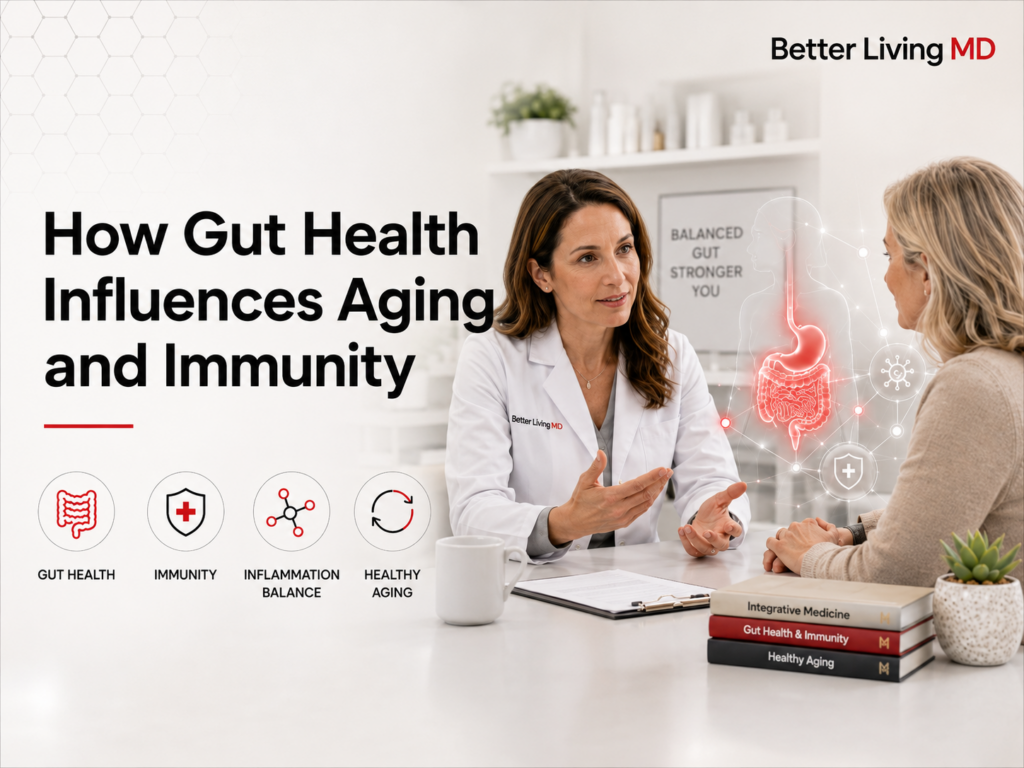
Gut health plays a much bigger role in aging than many people realize. At BetterLiving MD, our approach to Anti-Aging Treatment in Atlanta looks beyond surface-level concerns and focuses on how internal systems work together. Your digestion, immune response, metabolism, inflammation levels, hormones, and energy are all connected. When the gut is out of balance, the effects may show up far beyond the digestive system.
Aging is not only about wrinkles, low energy, or slower recovery. It is also about how well your body repairs, defends, absorbs nutrients, regulates inflammation, and maintains balance over time. The gut is central to many of these functions because it houses trillions of microorganisms known as the gut microbiome. These bacteria, fungi, and other microbes help support digestion, nutrient processing, immune function, and communication between different body systems.
When the gut microbiome is healthy and diverse, it can support better resilience. When it becomes imbalanced, the body may be more vulnerable to inflammation, fatigue, poor immune response, metabolic changes, and other concerns often associated with aging.
What Is the Gut Microbiome?
The gut microbiome is the collection of microorganisms living primarily in your digestive tract. These microbes help break down food, produce certain compounds, influence immune activity, and support the gut barrier. A balanced microbiome contains a wide variety of beneficial organisms that work together to maintain internal stability.
However, modern lifestyle factors can disrupt this balance. Poor diet, chronic stress, inadequate sleep, frequent antibiotic use, low fiber intake, alcohol, environmental exposures, and long-term inflammation can all affect gut health. Over time, these disruptions may contribute to what is often called dysbiosis, or an unhealthy shift in gut bacteria.
Dysbiosis does not always cause obvious digestive symptoms. Some people experience bloating, constipation, diarrhea, or food sensitivities. Others may notice fatigue, brain fog, skin changes, weight gain, frequent illness, or slower recovery. This is why a whole-body approach is important. The gut may be influencing symptoms that do not seem digestive at first.
The Gut-Immune Connection
A large portion of immune activity is connected to the gut. The digestive tract is constantly exposed to food particles, microbes, and environmental substances. Because of this, the immune system must carefully decide what is harmless and what requires defense.
A healthy gut barrier helps separate the contents of the digestive tract from the bloodstream. When this barrier functions properly, it supports immune balance. When the gut lining becomes irritated or compromised, it may contribute to immune activation and inflammation.
This connection matters for aging because the immune system naturally changes over time. Many people experience a decline in immune efficiency as they get older. The body may become less responsive to threats while also becoming more prone to chronic low-grade inflammation. Supporting gut health may help promote a more balanced immune environment and better long-term wellness.
How Gut Health May Influence the Aging Process
Aging is complex, but gut health can influence several pathways that affect how you feel, function, and recover.
- Inflammation Control
Chronic low-grade inflammation is often associated with aging, fatigue, joint discomfort, metabolic changes, and reduced vitality. An imbalanced gut microbiome may contribute to inflammatory signaling throughout the body. When gut health improves, the body may be better positioned to regulate inflammation naturally.
This does not mean gut health is the only factor involved in aging. Hormones, genetics, nutrition, exercise, sleep, toxin exposure, and stress all play a role. However, the gut is one of the major systems that can influence inflammatory balance.
- Nutrient Absorption
Your body depends on nutrients to repair tissue, produce energy, maintain muscle, support skin health, regulate hormones, and protect immune function. If digestion or absorption is impaired, even a healthy diet may not deliver the full benefit.
Low levels of key nutrients can affect energy, mood, skin quality, sleep, metabolism, and immune defense. Supporting digestive function helps the body make better use of the vitamins, minerals, amino acids, and healthy fats needed for healthy aging.
- Immune Resilience
A balanced gut microbiome helps train and regulate immune activity. As people age, immune resilience becomes increasingly important. A stronger, more balanced immune system may help the body respond more effectively to stressors, seasonal challenges, and recovery demands.
Gut health support is not about “boosting” the immune system aggressively. It is about helping the immune system respond appropriately. In functional and integrative medicine, balance is often more important than stimulation.
- Metabolic Health
The gut microbiome may influence how the body processes food, regulates blood sugar, stores fat, and manages appetite signals. Poor gut balance may contribute to metabolic sluggishness, cravings, weight changes, or difficulty maintaining body composition.
Many people seeking anti-aging support are not only concerned about appearance. They also want better energy, improved metabolism, sharper focus, and stronger daily performance. Gut health can be an important part of that bigger picture.
- Skin and Tissue Health
The gut and skin are closely connected through immune, inflammatory, and nutrient pathways. When gut health is compromised, some people may notice dull skin, increased sensitivity, breakouts, dryness, or slower healing. While skincare can help externally, internal health often plays a major role in how the skin looks and ages.
A personalized anti-aging plan may include support for nutrition, hydration, inflammation, hormones, peptide therapies, lifestyle habits, and gut health depending on the patient’s needs.
Why Gut Health Changes With Age
As the body ages, several changes can affect gut function. Digestive enzyme production may decline. Motility may slow down. Medications may alter the gut microbiome. Stress and poor sleep can affect digestive rhythm. Dietary patterns may shift, especially if appetite, activity level, or lifestyle changes over time.
The immune system also becomes more sensitive to internal imbalance. This means that gut disruptions may have a stronger effect on inflammation, energy, and resilience as people get older.
The good news is that gut health is modifiable. With the right evaluation and personalized support, many people can improve digestive function, nutrient status, inflammation balance, and overall wellness.
Signs Your Gut May Be Affecting Aging and Immunity
Gut imbalance can look different from person to person. You may benefit from a medical evaluation if you experience:
- Frequent bloating, gas, constipation, or diarrhea
- Food sensitivities or discomfort after meals
- Ongoing fatigue or low energy
- Brain fog or poor concentration
- Frequent colds or slow recovery
- Skin changes or dull complexion
- Sugar cravings or appetite changes
- Weight gain or difficulty losing weight
- Joint discomfort or general inflammation
- Poor sleep or stress-related digestive issues
These symptoms do not always mean the gut is the only cause. They can also be linked to hormones, thyroid function, nutrient deficiencies, blood sugar imbalance, chronic stress, or other medical concerns. That is why a personalized assessment is essential.
How BetterLiving MD Approaches Gut Health and Healthy Aging
At BetterLiving MD, we believe healthy aging starts with understanding the whole person. Rather than treating symptoms in isolation, we evaluate how your internal systems interact. Gut health, hormones, metabolism, inflammation, immune function, nutrition, sleep, and lifestyle all matter.
Our anti-aging and wellness approach may include:
- Comprehensive health history review
- Advanced lab testing when appropriate
- Nutritional and lifestyle guidance
- Support for inflammation balance
- Hormone and metabolic evaluation
- Targeted vitamin or nutrient support
- Peptide or regenerative therapies when clinically appropriate
- Personalized treatment planning based on your goals
The objective is not to chase quick fixes. It is to identify what may be slowing your body down and create a medically guided plan to support better function, vitality, and long-term health.
Can Improving Gut Health Help You Feel Younger?
For many people, better gut health may support more energy, better digestion, improved immune balance, clearer skin, improved nutrient absorption, and a stronger sense of overall wellness. While no single therapy can stop aging, improving internal health can help the body function more efficiently.
Healthy aging is not only about appearance. It is about how you feel when you wake up, how well you recover, how clearly you think, how strong your immune system feels, and how confidently you move through daily life.
When gut health is part of the treatment plan, anti-aging care becomes more complete. Instead of focusing only on external signs, the goal is to support the systems that influence aging from within.
Lifestyle Habits That Support Gut Health and Immunity
Some foundational habits can help support a healthier gut and immune system:
Eat More Fiber-Rich Foods
Vegetables, fruits, legumes, nuts, seeds, and whole grains provide fiber that helps nourish beneficial gut bacteria. A diverse diet often supports a more diverse microbiome.
Prioritize Protein
Protein supports tissue repair, muscle maintenance, immune function, and healthy aging. Many adults need to be more intentional about protein intake as they get older.
Reduce Highly Processed Foods
Excess sugar, refined carbohydrates, and processed foods may negatively affect gut balance and metabolic health. Reducing these foods can support inflammation control and energy stability.
Manage Stress
Chronic stress can affect digestion, gut motility, immune activity, and hormone balance. Mindfulness, movement, breathing exercises, and quality sleep can help regulate the gut-brain connection.
Sleep Consistently
Poor sleep can disrupt metabolism, appetite, immune response, and gut rhythm. Restorative sleep is one of the most important foundations for healthy aging.
Avoid Unnecessary Antibiotic Use
Antibiotics can be necessary and lifesaving, but unnecessary use may disrupt beneficial gut bacteria. Always follow medical guidance.
When to Consider Professional Support
If you have ongoing digestive symptoms, unexplained fatigue, frequent illness, poor recovery, weight changes, or signs of inflammation, it may be time to look deeper. A professional evaluation can help identify whether gut health, hormones, nutrient status, metabolism, or immune function may be contributing to how you feel.
At BetterLiving MD, we help patients explore the root causes of aging-related concerns and create personalized care plans that support long-term vitality.
Take the Next Step Toward Healthy Aging
Your gut health may be influencing your immunity, energy, inflammation, skin, metabolism, and overall aging process. If you are looking for a more complete, personalized approach to wellness, BetterLiving MD can help you understand what your body needs and where to begin.
For patients exploring Anti-Aging Treatment in Atlanta, our team focuses on whole-body care designed to support vitality from the inside out. Call us for consultation and take the first step toward better energy, stronger resilience, and healthier aging.
Frequently Asked Questions
- How does gut health affect aging?
Gut health may influence aging by affecting inflammation, nutrient absorption, immune function, metabolism, skin health, and energy levels. A balanced gut microbiome helps the body process nutrients, regulate immune activity, and maintain internal balance, all of which are important for healthy aging.
- Can poor gut health weaken the immune system?
Yes. The gut plays a major role in immune regulation. When the gut microbiome is imbalanced or the gut barrier is irritated, the immune system may become overactive, under-responsive, or more prone to inflammation. Supporting gut health may help promote better immune resilience.
- What are signs that my gut health may be affecting how I age?
Common signs may include bloating, constipation, diarrhea, fatigue, brain fog, skin changes, frequent illness, food sensitivities, weight changes, sugar cravings, or slow recovery. These symptoms can also be related to hormones, thyroid health, nutrient deficiencies, or metabolic concerns, so a personalized evaluation is recommended.
- Can improving gut health help with inflammation?
Improving gut health may help support healthier inflammation balance. An imbalanced gut microbiome can contribute to inflammatory signaling in the body, while better digestion, improved nutrient intake, and microbiome support may help reduce unnecessary stress on the immune system.
- Is gut health part of anti-aging care?
Yes. Gut health can be an important part of anti-aging care because it affects many systems involved in vitality, recovery, immunity, metabolism, and skin health. At BetterLiving MD, anti-aging care focuses on whole-body wellness rather than treating symptoms in isolation.
- What foods support gut health and immunity?
Fiber-rich foods such as vegetables, fruits, legumes, nuts, seeds, and whole grains can support beneficial gut bacteria. Protein, healthy fats, fermented foods, and adequate hydration may also support digestion, immune function, and healthy aging.
- When should I see a provider for gut health and aging concerns?
You should consider professional support if you have ongoing digestive issues, frequent fatigue, recurring illness, unexplained weight changes, chronic inflammation, poor sleep, or symptoms that do not improve with basic lifestyle changes. A provider can help identify whether gut health, hormones, nutrient status, or metabolism may be contributing to your symptoms.
- Does BetterLiving MD offer personalized anti-aging support?
Yes. BetterLiving MD offers personalized wellness and anti-aging care designed to support energy, vitality, immune function, metabolism, and long-term health. If you are considering Anti-Aging Treatment in Atlanta, call us for consultation to learn which approach may be right for your needs.